
Designing your brand - 7 mistakes to avoid
April 14, 2020

What if you could make that 70% of your sales depend solely on leads that come to you without even asking?
You could reduce some costs, allocate resources on other important areas, and grow your business easier.
However, this requires a lot of hard work and the use of a variety of business strategies.
The good news of all this is that today you will learn some of the most common mistakes, which often cause incredible economic losses to small and large businesses, especially in an area that is often overlooked most of the time - as Branding.
Read on to find out what NOT to do when designing your branding strategy.
The 7 mistakes you need to avoid when designing your brand
#1. Not knowing who you really are
This probably hurts, but it's the truth.
Most of the time, we decide to create our own company without even knowing what to expect from our project. We don't have a growth plan or even a clear enough vision of what we want to achieve.
This is like getting carried away with the idea that having a business will let you work less, be your own boss, or make a better profit. While these reasons are good, they shouldn't be the whole focus of attention.
The design of your brand should express through different visual elements, and other intangible assets,
the personality, and the vision of your business.
It often happens, however, that as owners of a business or as the person who makes decisions, we focus too much on aspects related to the products or services we offer and not on the presence and development of our brand within the industry.
The number one mistake in designing your brand, therefore, transcends at the moment you want to be noticed among your competition without any success.
Therefore, it’s best that you prioritize defining the values, principles, and vision of your brand from the very beginning.
#2. Not knowing your audience
While not knowing yourself is one of the biggest mistakes you can make while developing your brand, not listening to your audience is the second-worst mistake you can make.
Think about it.
Is it easier to sell to strangers or to the people you know?
Great!
By knowing your audience you will realize what visual elements, what kind of interactions, and what kind of actions you can start applying in your business so that these people feel motivated to interact with your brand and even feel encouraged to become your customers.
Keep in mind that knowing your audience is not something that happens overnight. It requires doing research on a regular basis and paying close attention to what's going on around you.
#3. Too much inconsistency in your communication channels
One of the great rules of marketing tells us that we must go where our audience goes. (Here you have the importance of knowing our audience)
However, there are many companies that open communication channels in social networks and other platforms without having a plan that allows them to provide value to their audience, increase interactions, and grow as a brand.
Inconsistency also refers to the use of multiple elements that include but are not limited to:
- Use of many types of typography
- Use of many colors
- Use of a huge variety of images
- Messages too different on each platform
When this happens, people get confused. Consequently, everything you do will not have the same level of efficiency.
To avoid this mistake when designing your brand, ideally, you should establish a brand book from the very beginning.
This will help you as a guide to using your color palette, logo, and other brand elements correctly.
And with this, we can go to the next common mistake when trying to design your brand.
#4. Lack of a Brand Book
A brand book
is a guide that details how to use the elements that give life to your company such as your logo, font, colors and more.
It is through this type of manual that you begin to have greater consistency across different platforms and to position yourself in the minds of your target customers.
With a branded manual, your company will have a direction to follow and your content will be properly formatted to avoid looking unprofessional.
This will also prevent you from making secondary mistakes such as using too many colors, having a rather limited visual identity, or having content that does not add value and has little meaning for your audience.
#5. Lack of a design system
In the beginning, it might be a lot easier to put into practice all your design ideas. However, as your company grows, you will need to hire more people who have new ideas, new typographies, new patterns, new color palettes, and a lot more to add to your brand.
With this, you can be at risk of growing the inconsistency with your communication efforts.
From the beginning, you need to think about how to align your resources and what kind of process is needed to make everything work in the best way.
This type of system will help you detect and eliminate bottlenecks, which will also increase productivity and finally catapult your company to a better position in front of your potential customers.
#6. Starting with a cheap brand identity
At first, we all worried about our budget.
Your brand identity will help you make your way within your niche. The mistake of starting with a cheap brand identity is that, as you grow you will be forced to get a more professional image.
When making the transition, many brands make mistakes and customers get confused, which ultimately translates into monetary losses.
Even if it requires a little more money, investing in creating a professional logo
and brand book will never be a bad idea.
#7. The worst branding mistake is not measuring the results of your effort
We live in the age of data. It is through all that information that the most successful businesses make better decisions.
You too can begin to cultivate your strategic thinking based on real data from your own efforts in developing your brand.
This will also help you begin to implement a culture where ROI
becomes a fundamental part of the moves you make within your industry.
If you are designing your company's branding strategy, don't forget to establish performance indicators that will let you know if you are doing well with your investments of both money and time.
Are you ready to grow your business?
By avoiding the 7 mistakes detailed in this article you will be able to compete strongly within your industry. Plus, you'll be saving yourself a lot of money and opportunities to compromise your company's reputation.
Start solving your branding problems immediately.
The first conversation What surprised me is that the first minutes weren’t configuration. It was a simple ask and a couple of followup questions. I opened the chat window and described how we track our business — what a client is to us, what an agency partner is and why it isn't the same object, how projects and ongoing engagements relate, what I need visible at the start of a week versus at the end of a quarter. I wasn't writing requirements. I was describing how we think about our own data, in the same words we use to talk about it. What came back wasn't an empty workspace. It was a plan — the objects that would exist, how they'd relate to each other, what each view would surface and who it was for. Reading it was a slightly strange experience, because it had clearly understood the distinction I'd spent years failing to force into other tools, and it had understood it from a paragraph of plain English. The follow-up questions After the plan, it asked follow-up questions. Not clarifying-the-obvious questions — the kind a good analyst asks in a discovery session, the ones that expose a decision you've been making implicitly for years without ever saying out loud. But it didn't hand me a blank field and ask me to be articulate about it. Each question came with answers already drafted — options it had reasoned out from what I'd told it. Most of the time one of them was simply right and I picked it. When none of them were quite right, I could take the closest one and add the nuance in my own words, and that went straight back into the plan. That's what made the whole thing fast. The cognitive load of building software is usually in translation — knowing what you want and having to render it as configuration. That step was mostly gone. I was making decisions about our business, not decisions about a database. The Big Reveal After the questions, boom, and entries functional CRM existing in front of me and architected data the way we see it. If anything didn't fit quite right I could just mention it and it would be amended in minutes without much more from me than the occasional question and answer picking already described. This made adding desired features as simple as mentioning them. Column Sort? Done! Recording Editing? Added! Amass data from projects on the client page? That's there and it works now! Everything came easy. The one error We hit exactly one error worth mentioning, and it's become a running joke. Something broke a couple of days into the build. I had the standard reaction — the stomach drop, mentally drafting a support ticket, estimating how much of the last two days I'd have to redo. Then I noticed there was a button offering to fix it. I clicked it. It fixed it. That was the entire incident. I'd like to report that I took this in stride. What actually happened is that I sat there for a second feeling a little cheated out of the crisis I'd prepared for, and then just more impressed. It's a small thing, but it's the moment the tool stopped feeling like a clever demo to me and started feeling like something I'd trust with real work.
The body content of your post goes here. To edit this text, click on it and delete this default text and start typing your own or paste your own from a different source.

The online landscape is changing fast. Search is changing. AI is changing how people discover businesses. Websites have to do more than look good. And the line between technology and marketing gets blurrier every day. So we did what we encourage our clients to do: we recalibrated. We took a hard look at who we are, what we do best, and what businesses actually need from a digital partner right now. The result is the new Olive & Ash. We still believe deeply in thoughtful design, strong storytelling and websites built around real people. But we're also embracing the tools reshaping how businesses get found, connect with customers and grow online. Because we don't believe the answer is choosing between AI and human creativity. AI gives you the advantage. Human insight makes it work. Our new site reflects where we're headed—and the kind of partner we want to be for our clients as the digital landscape continues to evolve. Take a look: https://www.oliveandashdesign.ai/ Here’s to what’s next!

Labor Day, back-to-school, early holiday planning. Q4 momentum starts before the leaves turn. If you are a Chicago or western suburbs small business, now is the window to tighten your site, sharpen your message, and align your campaigns so September clicks become December revenue. At Olive Street Design in Villa Park, we build fast, conversion-ready Duda websites and run coordinated seasonal campaigns. Think 30 to 45 days. Clear milestones. Local search wins. AEO for AI answers. Simple next steps that move the needle. Here is a focused plan to be ready for peak season across Chicago, DuPage, Kane, and Cook. Your 30 to 45 day fall-readiness plan Week 1 to 2: audit and speed. Run Core Web Vitals checks. Fix Largest Contentful Paint, First Input Delay, and Cumulative Layout Shift issues. Compress and modernize images, minify assets, remove blockers, tune caching and CDN. Review accessibility basics: color contrast, type size, alt text, labels, keyboard paths. Confirm mobile-first navigation and forms. Real phone users, real thumbs. Week 2 to 3: messaging and structure. Refresh hero copy with a fall offer focused on outcomes. Add a limited-time CTA with a precise deadline. Add micro-animations that guide attention, not distract. Subtle button hovers, icon nudges, scroll cues. Publish seasonal landing pages: Labor Day specials, back-to-school bundles, early holiday gift cards. Wire schema markup for products, services, FAQs, and location so AI and voice systems can parse your value quickly. Week 3 to 4: local discoverability and AEO. Tune your Google Business Profile. Update hours, categories, service areas, attributes, and photos. Post a fall offer. Add neighborhood terms across pages, from Villa Park and Chicago to nearby suburbs you serve. Create concise FAQs written like spoken questions to support voice search. Add structured data. Align site copy with natural language so AI search can lift your answers verbatim. Week 4 to 6: campaign bundles live. Launch a coordinated package: site refresh plus social, Google Ads, and email. Match ad groups to your seasonal landing pages. Track with UTM parameters and call attribution. Publish short-form video and photo sets that mirror on-site offers and CTAs. Send a two-touch email cadence: announce, then last-chance. Keep it scannable. Why Duda now Speed wins attention and conversions. Duda is built for performance and predictable hosting. Fewer plugins, cleaner structure, faster first byte. That matters when Chicago shoppers are comparing options on a phone in line at Target. Duda also makes quick seasonal updates painless. Swap hero banners, add limited-time CTAs, launch a promo page, maintain accessibility, and keep Core Web Vitals green. Your team moves faster, your customers feel it. If you need help selecting the right hosting plan, review our approach to Duda website hosting to keep performance steady during traffic spikes. Core Web Vitals and accessibility, simplified You do not need a 50-page report. You need a punch list and fixes that stick. Largest Contentful Paint: compress hero images, prioritize critical CSS, reduce render-blocking scripts. Cumulative Layout Shift: reserve space for media, stabilize fonts, control ad slots. First Input Delay: defer nonessential JavaScript, lazy-load wisely, simplify third-party tags. For accessibility, focus on contrast, legible type, semantic headings, descriptive links, alt text that explains function, and keyboard-friendly menus and forms. These updates help users and improve search signals. Seasonal pages that convert Create one page per theme with a single goal. Clear headline, proof point, concise benefits, social proof, one primary CTA. Add micro-animations for directional cues. Keep forms short. Examples that work across Villa Park, Chicago, and nearby suburbs: Labor Day service bundles for home and lawn. Back-to-school enrollment or tune-ups for camps, salons, and professional services. Early holiday gift cards with small add-on perks. Pair each page with a matching ad group and social posts. Keep creative consistent across channels. GBP tune-ups that move the map pack Your Google Business Profile influences calls and foot traffic. Update it like a storefront: Hours, categories, and services. Fresh photos and short video clips. Posts with dates and limited-time language. Review responses that include relevant services and neighborhoods in a natural way. AEO and voice search, so AI can pick you People ask Siri and Google Assistant full questions. AI overviews and answer boxes pull structured, direct responses. Format content to be the answer: One question per subhead, one clear answer in 40 to 60 words. Local context: neighborhoods, service areas, landmarks. Clean schema, FAQs, and internal links that explain relationships. If you want expert support shaping messages for AI and voice, our team offers voice search optimization services that align with your brand and locations. Campaign bundles for Q4 momentum Bundle the essentials for speed and tracking: Site refresh on Duda with hero updates, fall pages, and micro-animations. Search ads for high-intent terms tied to your seasonal offers. Social creative and scheduling to drive awareness and retargeting. Email cadence with clear CTAs and attribution. Need hands-on help with creative and paid media coordination in Chicago? Explore our web design in Chicago capabilities alongside connected campaigns, or tap our team as your social media marketing agency to keep messages consistent. Measurement that proves what worked Set up UTM parameters, call tracking, and form attribution. Build a simple dashboard. Track cost per lead and revenue influence. Use data to shift budget from week 2 onward. Keep only what converts. Quick FAQ for SMBs Is it worth hiring a digital marketing agency? Often yes if you need speed, cross-channel coordination, and measurable results without adding headcount. An experienced local partner reduces guesswork and shortens the path to conversions. What does a digital marketing agency do? Plans, builds, and optimizes your web presence. Typical work covers site design, SEO, content, social, paid ads, email, analytics, and reputation management, all aligned to revenue goals. How do I start digital marketing? Clarify your offer and audience, refresh your site and landing pages, claim and tune GBP, publish one focused seasonal page, run a small search ad test, and send one concise email. Measure, refine, repeat. What are the services of digital marketing? Strategy, web design and development, SEO, content, social media, paid search and display, email automation, local SEO and reviews, analytics and attribution, and conversion optimization. What are the 7 types of digital marketing services? A practical set: web design and UX, SEO, content marketing, social media marketing, paid search and display, email marketing, and online reputation management. What is the purpose of a digital marketing agency? To connect your offer to the right customers at the right moment, improve conversion paths, and prove impact with data so you can invest confidently. Ready for a fast fall audit? If you want a Chicago-savvy partner to deliver a fast, high-impact fall refresh, we are here. Start with a quick fall-readiness audit. We will review speed, Core Web Vitals, accessibility, hero messaging, seasonal landing pages, AEO, and your Google Business Profile, then map a 30 to 45 day plan you can act on now. Helpful reads if you are comparing next steps: Learn how our team approaches social planning and creative as a social media marketing agency to complement your fall pages: https://www.olivestreetdesign.com/social-media-marketing Explore our approach as a search engine optimization agency for Chicago SMBs focused on AI-ready structure: https://www.olivestreetdesign.com/search-engine-optimization See how we handle Google Ads alignment and landing page fit with sponsored Google Ads management: https://www.olivestreetdesign.com/google-ads-management If voice and AI answers are a priority, review our voice search optimization services and AEO support: https://www.olivestreetdesign.com/branding-voice-messaging Based in Villa Park and serving Chicago and the western suburbs, Olive Street Design builds for today, and indexes for tomorrow. Book your fall-readiness audit and turn September attention into Q4 results. Call 630-366-6440. Visit us at 264 East Kenilworth Avenue, Villa Park, Illinois 60181.

A modern ecommerce website is much more than an online catalog of products. It serves as your digital storefront, your customer service desk, your marketing platform, and often the first impression potential customers have of your business. With online shoppers expecting fast, secure, and easy-to-use websites, investing time in creating a professional ecommerce site can have a significant impact on your success. Whether you are launching your first online store or refreshing an existing one, focusing on user experience, performance, and functionality will help attract visitors and encourage them to become loyal customers. Prioritize Fast Loading Speeds Website speed plays a major role in customer satisfaction. Visitors expect pages to load within seconds, and even small delays can increase the likelihood of shoppers leaving your site before making a purchase. Optimizing image sizes, minimizing unnecessary scripts, enabling browser caching, and choosing quality web hosting all contribute to a faster website. It's also important to ensure your own connection is reliable when uploading products, managing inventory, and maintaining your store. Many ecommerce businesses rely on Frontier fiber internet in Dallas to support cloud-based systems, large file uploads, video meetings, and uninterrupted day-to-day operations. A fast website not only improves the shopping experience but can also contribute to better search engine rankings. Make Navigation Simple Customers should be able to find what they are looking for quickly and easily. A confusing menu structure or cluttered layout can discourage visitors from exploring your products. Organize your products into clear categories and use consistent navigation menus throughout the website. Including a search function allows shoppers to locate specific products without browsing through multiple pages. Simple navigation like this reduces frustration and helps customers complete purchases more efficiently. Design for Mobile Users A large percentage of online shopping now takes place on smartphones and tablets. Your website should, therefore, automatically adjust to different screen sizes while maintaining readability and functionality. Responsive design ensures that menus, buttons, product images, and checkout pages all work smoothly on mobile devices. Customers should never need to zoom in or struggle to click important buttons. Testing your website across various devices helps identify potential issues before they affect your customers. Use High-Quality Product Images Online shoppers cannot physically examine products, so images are among the most important selling tools available. High-resolution photographs from multiple angles help customers understand exactly what they are buying. Where appropriate, include zoom functionality and lifestyle images that show products being used in real situations. Videos can also provide additional confidence by demonstrating features and functionality. Consistent lighting, backgrounds, and image quality create a more professional appearance throughout your store. Write Clear Product Descriptions Strong product descriptions should provide useful information rather than simply listing features. Explain how the product benefits the customer, what materials are used, its dimensions, compatibility, and any important specifications. Avoid copying manufacturer descriptions, as unique content can improve search engine visibility while helping your brand stand out from competitors. Clear descriptions also reduce customer inquiries and minimize the likelihood of returns caused by misunderstandings. Simplify the Checkout Process Complicated checkout processes are one of the leading causes of abandoned shopping carts. The fewer steps required to complete a purchase, the better. Offer guest checkout alongside account creation, clearly display shipping costs, and provide multiple payment options. Progress indicators during checkout also reassure customers that the purchase process is straightforward. Ensuring your checkout is secure and easy to use builds confidence and encourages completed sales. Keep Security Up to Date Protecting customer information should always be a priority. Install SSL certificates , update your ecommerce platform regularly, and ensure all plugins and extensions remain current. Strong passwords, secure payment gateways, and routine backups reduce the risk of security problems while giving customers confidence when making purchases. Cybersecurity is not a one-time task but an ongoing responsibility for every ecommerce business.

Think about the way you used to research a company online. You needed something. You Googled it. You opened several websites. You read about each company. You compared. You chose. The website did most of the educating. Now imagine a different customer journey. Someone asks: “What's the best type of flooring for a basement that has flooded before?” Then: “Which installers near me specialize in it?” Then: “What should I expect to pay?” Then: “What questions should I ask before hiring someone?” Then: “Compare these three companies.” Only after all of that does the person visit a company's website. They've never met you. But they may already know quite a bit about you. The research phase is moving This is one of the most significant changes AI could bring to digital marketing. The customer's research doesn't necessarily start on your website anymore. It may start — and continue for quite a while — inside an answer engine. ChatGPT Search can bring current web information into conversational answers with source links. Google says its AI Overviews help people understand complicated questions quickly and give them starting points for further exploration. That means discovery, education and comparison can increasingly happen before the click. And we're already seeing signs of a broader shift toward zero-click behavior. Similarweb data analyzed by SparkToro found that 68.01% of U.S. Google searches ended without any click during the first four months of 2026. People are getting more information without visiting websites. So does that make websites less important? We think the opposite may be true. Your website may receive a more informed visitor Semrush's research estimated that AI-search visitors were 4.4 times as valuable by conversion rate as traditional organic-search visitors. Again, that's an industry-wide research finding, not a promise that every website will see the same result. But consider why it might happen. A visitor who has spent ten minutes questioning an AI assistant may have already: Defined the problem. Learned the terminology. Compared approaches. Established a budget range. Identified several potential companies. Ruled some options out. Now they click. That isn't casual traffic. That's a person arriving with context. Your website has a new job Traditionally, website homepages often tried to answer: “Who are we?” That's still important. But an AI-informed visitor may arrive asking: “Are you really the company I think you are?” Your website has to confirm the recommendation. Is the company professional? Do they seem credible? Do they really specialize in what I need? Do I like their work? Do they work with people like me? Can I see examples? What do customers say? What happens next? That's why AI search does not eliminate the need for great websites. It raises the standard. Clarity beats cleverness This shift also puts pressure on vague website copy. “We provide innovative solutions designed around your needs.” What does that mean? Who do you serve? What do you actually do? Why are you different? Both humans and machines benefit from specificity. A strong modern website should make important facts easy to understand. Services. Industries. Locations. Expertise. Process. People. Proof. Frequently asked questions. Google's own generative-search guidance continues to recommend unique, valuable content and solid technical SEO as the foundation for visibility in AI-powered Google experiences. There isn't a conflict between building for humans and building for search. The best sites increasingly need to do both exceptionally well. Your expertise needs to exist somewhere There's another interesting consequence. AI can't surface expertise you've never shared. If your sales team answers an important customer question every day but your website says nothing about it, that knowledge is effectively hidden. If you've solved a particular problem 200 times but have no case study, article or service content explaining that expertise, the digital world has less evidence of it. That's why content strategy matters. Not content for content's sake. Document what your business actually knows. Explain what customers need help understanding. Publish examples. Answer specific questions. Give your expertise a digital footprint. The website isn't disappearing. The journey is changing. We've built websites for a long time. We've also watched digital marketing reinvent itself repeatedly. New platforms arrive. Algorithms change. Search behavior evolves. Technology becomes more sophisticated. But the objective has stayed remarkably consistent: Help people find you, understand you, trust you and take the next step. AI doesn't change that. It changes some of the steps that happen along the way. And that's exactly why we're paying attention. At Olive Street Design, we're not interested in adding “AI” to everything because it's fashionable. We're interested in understanding where customer behavior is actually changing — and making sure the websites and marketing systems we build are ready for it. Technology will keep changing. Good communication still wins.
SEO is dead. Again. If you've worked in digital marketing for any amount of time, you've heard this before. Social media was going to kill search. Voice assistants were going to kill search. TikTok was going to kill Google. Now artificial intelligence is supposedly going to finish the job. Meanwhile, people are still searching. What's actually changing is where and how they search. And that's where AEO enters the conversation. First: what is SEO? SEO stands for Search Engine Optimization. At its simplest, SEO is the work of helping search engines understand your website and helping the right people discover it when they search. That includes things like: Website structure Technical performance Keyword and audience research Useful content Local search optimization Google Business Profiles Links and authority Structured data Page titles and metadata User experience SEO has never really been about stuffing magic words into a page. Good SEO is largely about making your website useful, understandable and technically accessible. What is AEO? AEO stands for Answer Engine Optimization. The term is generally used to describe efforts to improve a brand's visibility in systems that answer questions directly rather than simply returning a traditional list of links. Think: ChatGPT. Google AI Overviews and AI Mode. Gemini. Perplexity. And other AI-assisted search experiences. Instead of trying only to earn a high-ranking link, businesses are also becoming interested in whether their information gets cited, summarized or incorporated into an AI-generated answer. Hence the phrase we've been using frequently at OSD: Don't just rank. Be part of the answer. So is AEO replacing SEO? No. In fact, Google itself currently takes an even stronger position. Google says that, from its perspective, optimizing for generative AI search is still SEO because AI Overviews and AI Mode are rooted in Google's existing search ranking and quality systems. Its guidance specifically says foundational SEO practices continue to matter for generative AI visibility. That's important because the AI-search boom has inevitably created a new industry of hacks. Special files. Secret formatting. Guaranteed ChatGPT rankings. Magic schemas. Guaranteed mentions. Be careful. Google specifically says businesses do not need special AI text files such as llms.txt to appear in Google's generative search features, and warns against chasing inauthentic mentions. There is no single button labeled “optimize for every AI.” What overlaps? A lot. Imagine a useful service page that: clearly explains what you offer, answers customer questions, shows relevant expertise, loads properly, can be crawled, contains accurate information, and connects logically to the rest of your website. That's a good SEO page. It's also the type of clear, useful information AI-powered search systems can work with. Google's current generative-search guidance recommends unique, valuable content, strong technical structure and established SEO fundamentals. So businesses shouldn't throw away the SEO playbook. They should expand it. Where does AI search introduce something new? Measurement is one big difference. Traditional SEO has familiar metrics: Rankings. Organic traffic. Clicks. Impressions. Conversions. AI visibility introduces additional questions: Was our company mentioned? Were we cited? Which prompts triggered us? Which competitors appeared? How were we described? Which topics are we associated with? That requires a different lens. And because AI answers can vary by prompt and platform, simply asking ChatGPT one question isn't the equivalent of checking a Google ranking. What about ChatGPT specifically? ChatGPT Search can retrieve current web information and link to relevant web sources. OpenAI uses OAI-SearchBot for search visibility and states that websites blocking that crawler won't be surfaced in ChatGPT's search results. So technical accessibility matters there, too. Again, not exactly a revolutionary concept. If you want search technology to use your website, make sure the search technology can access your website. What should businesses do right now? Don't panic. Don't cancel your SEO. Don't publish 400 AI-generated FAQ pages. Don't buy every new service with “GEO” in its name. Instead : 1. Keep strengthening your SEO foundation. 2. Make your services exceptionally clear. 3. Answer the questions customers actually ask. 4. Publish original expertise rather than commodity content. 5. Keep reviews, listings and business information accurate. 6. Make sure search and AI crawlers can access appropriate public content. 7. Start monitoring AI visibility alongside traditional search performance. That's a sensible strategy regardless of which acronym ultimately survives. SEO isn't dead. Search simply has more places to happen now.
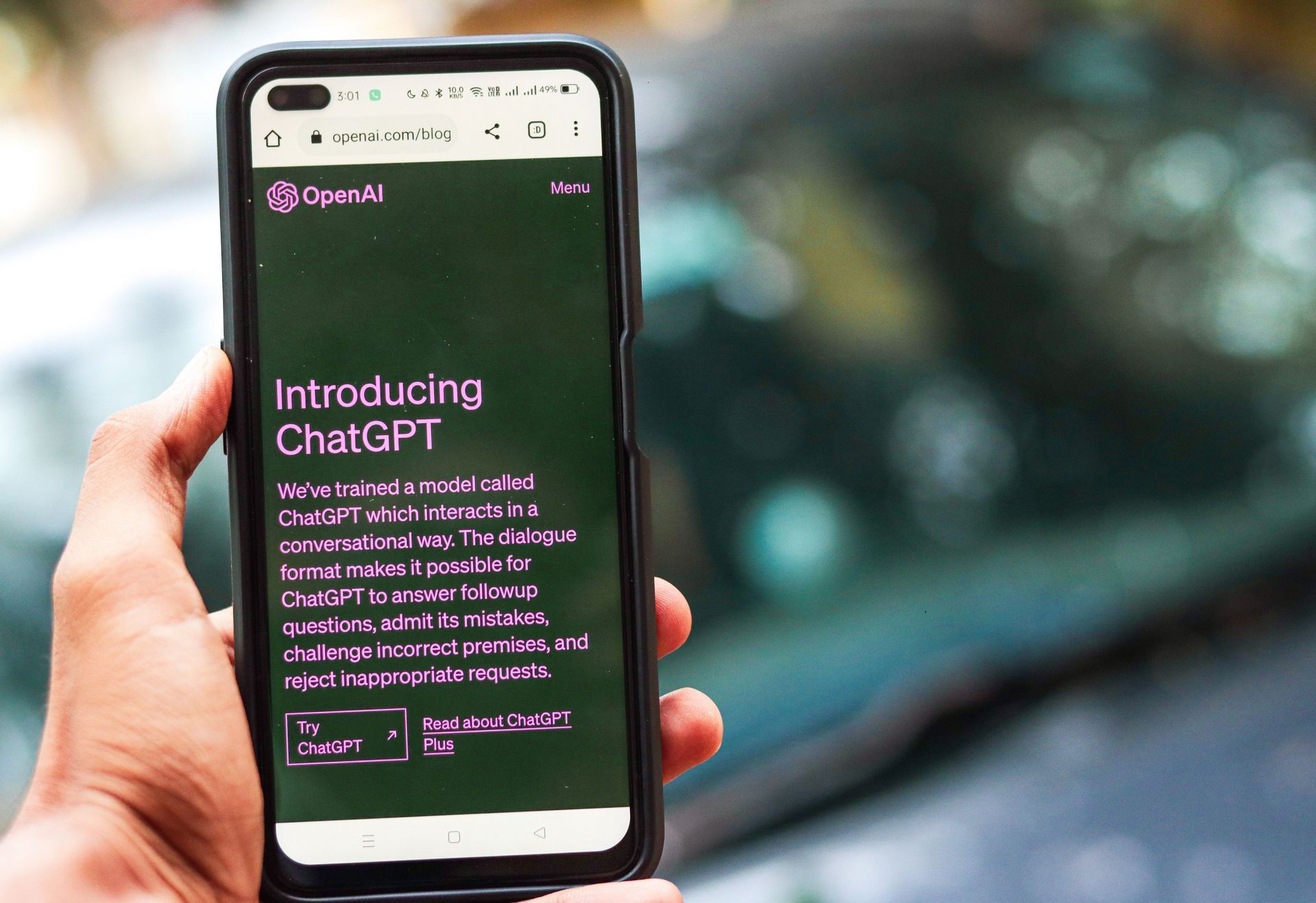
Try this. Open ChatGPT and ask: “What are the best [your type of business] companies in [your city]?” Look at the answer. Then change the question slightly. “Who would you recommend?” “What's the best option for a small business?” “Which company has the strongest reputation?” “Who specializes in [specific service]?” You may get different answers. That's your first lesson in AI visibility: There isn't one permanent list of businesses ChatGPT recommends. AI recommendations aren't Google rankings We're used to thinking about visibility as a position. You're number one. You're number four. You're on page two. AI answers don't fit neatly into that model. The platform may interpret the user's question, search current web sources when appropriate, synthesize information and produce an answer tailored to the request. OpenAI explains that ChatGPT can search the web and provide timely answers with links to relevant sources. Public websites that allow OAI-SearchBot can be surfaced in ChatGPT search results. So the question becomes less: “What is my ChatGPT ranking?” and more: “For which questions is my company visible?” That's a much more useful way to think about it. Specificity changes everything Imagine two searches. “Best accountant in Chicago” and: “Accountant near Oak Brook who works with family-owned construction companies and can help with succession planning” The second question contains significantly more context. That's one of the fundamental differences between conversational AI and traditional keyword searches. People can explain what they're looking for in normal language. This means businesses need to clearly communicate their specialties. If your website simply says: “We provide exceptional solutions customized to your needs.” What exactly should an AI system — or a human being, for that matter — learn from that? Compare it with: “We provide outsourced accounting and CFO services for family-owned construction companies with $5 million to $50 million in annual revenue.” Now we know something. Clarity matters. Your website needs to be accessible Before worrying about clever AI-search tactics, make sure the basic technical foundation works. OpenAI says sites that opt out of OAI-SearchBot won't be shown in ChatGPT search results. Google similarly recommends ensuring that websites can be crawled, indexed and technically understood as part of its generative AI search guidance. That's not glamorous. But neither was making sure Google could crawl your website 15 years ago. Technical fundamentals matter. Then give the internet something useful to understand Your website should clearly communicate: What you do. Who it's for. Where you work. What you specialize in. What problems you solve. What experience you have. How your process works. What your customers ask. What makes you meaningfully different. The goal isn't to repeat a target phrase 17 times. It's to leave as little ambiguity as possible about your business. Your broader reputation matters Your own website will naturally portray your business positively. That's why the rest of your digital footprint is important. What do customers say? Are your business listings accurate? Have reputable organizations mentioned you? Do you belong to relevant associations? Do other websites describe your expertise consistently? Google specifically notes that its generative experiences can reflect content about businesses and products found elsewhere on the web, while cautioning businesses not to manufacture inauthentic mentions simply to manipulate visibility. In other words: Build a real reputation. Don't manufacture one for a bot. Test it — but don't obsess over one answer Go ahead and ask ChatGPT about your company. It's useful. It's interesting. And sometimes it's humbling. Just remember that one query isn't a visibility report. Results can vary based on the question, platform and information available. The better approach is to identify the searches that matter to your customers and monitor patterns across them. Are you consistently absent? Does one competitor dominate? Are you associated with your most important service? Has visibility improved after you've strengthened your content? Those are questions we can actually work with. AI search is still evolving. Our job isn't to find a trick that makes ChatGPT say your name tomorrow. It's to make your business increasingly clear, credible and useful everywhere customers — and the technology helping them — go looking for answers.
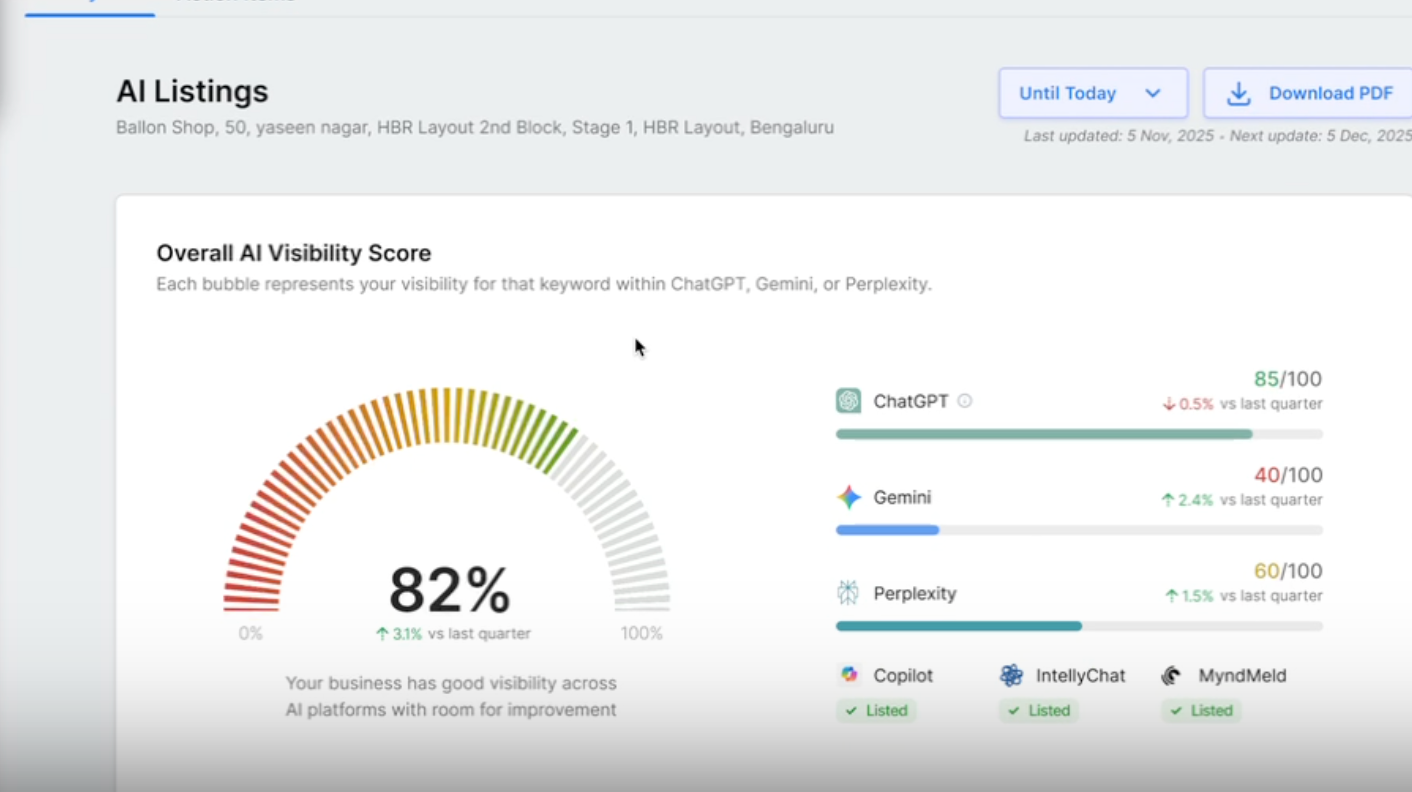
AI has made it possible to create a 1,000-word blog post in about 30 seconds. That's impressive. It's also creating a lot of really bad content. Search almost any business topic today and you'll find articles that technically contain all the right words but say remarkably little. “Five reasons marketing is important.” “Ten benefits of hiring a professional.” “The ultimate guide to choosing the right company.” You've read them. Or perhaps you've opened them, skimmed two paragraphs and immediately left. The problem isn't that AI helped create them. The problem is that nobody added anything worth knowing. More content isn't automatically better For years, businesses heard some version of: “You need to blog for SEO.” So they blogged. Sometimes thoughtfully. Sometimes because the marketing calendar said Thursday needed a post. Generative AI has taken that temptation to another level. Why publish four articles a month when you could publish forty? Because forty mediocre articles don't necessarily help anyone. Google's current guidance actually addresses this directly. It says generative AI can be useful for research and for adding structure to original content, but generating many pages without adding value can violate its spam policies on scaled content abuse. Google's newer generative-search guidance goes even further, recommending unique, expert-led, non-commodity content that provides value beyond common knowledge. We like that phrase: Beyond common knowledge. That's the opportunity. What do you know that the internet doesn't? Every good business accumulates knowledge. A roofer knows which problems homeowners routinely misdiagnose. A dentist knows what nervous patients ask before their first appointment. A restaurant knows which menu item people discover and then order every week. A financial professional knows which questions clients are embarrassed to ask. A manufacturer knows which “simple” purchasing mistake creates expensive problems later. A remodeling company knows which Pinterest ideas look great but don't work in an actual 1920s Chicago bungalow. That's content. Not because a keyword tool told you to write it. Because your customers actually need the answer. Start with the questions your team hears If you want better website content, ask the people answering your phone. Ask your sales team. Ask customer service. Ask the owner. What did customers ask this week? Write those questions down. Now answer them thoroughly. Not with a 75-word FAQ written to squeeze a keyword onto the page. Give the answer you'd give a good customer sitting across the table. Explain the nuance. Talk about when the answer changes. Give examples. Mention common mistakes. Say what you actually think. That's useful content. FAQs are more valuable when they're real FAQ sections are everywhere now. Unfortunately, many of them are written backward. Instead of collecting questions customers actually ask, someone decides which keywords the company wants to rank for and turns them into fake questions. People can tell. Better: “How long will I be without my kitchen during a remodel?” Worse: “Why is ABC Remodeling the best kitchen remodeling contractor in Chicago?” One is a customer's question. The other is an advertisement wearing a question mark. Answer real questions. AI can still help None of this means we're anti-AI. Far from it. AI is a fantastic tool. It can help organize ideas. Find gaps. Turn notes into an outline. Repurpose a useful article. Suggest questions you haven't considered. Improve readability. But there's an enormous difference between: using AI to help communicate your expertise and asking AI to invent expertise for you. At Olive Street Design, we believe the first is where things get interesting. Technology should support the human knowledge inside your business, not flatten it into the same article everyone else publishes. What should businesses create? Start with content that answers high-intent, specific questions. Think : Frequently asked questions Detailed service pages Pricing explanations Process guides Case studies Before-and-after stories Comparisons Common mistakes Industry-specific advice Local expertise Original research or observations Questions customers should ask before hiring someone You don't need to create everything at once. One genuinely useful page is worth more to your customer than a folder full of filler. Become worth citing Search is changing. AI tools increasingly synthesize information rather than simply handing users a list of links. But the basic challenge for businesses hasn't really changed: Say something worth finding. If every sentence on your website could appear on any competitor's site simply by changing the company name, you have a content problem. AI can help you write faster. Your experience is what gives the writing a reason to exist.

Here's a useful exercise. Search your business online — but don't look only at your website. Look at everything around it. Your Google Business Profile. Reviews. Business directories. Articles. Social profiles. Industry associations. Old addresses. Old phone numbers. Awards. Interviews. Mentions on other websites. Now ask yourself: If you knew nothing about this company, what would all of this information lead you to believe? That's your digital reputation. And as AI becomes part of how people research businesses, that broader picture matters even more. AI isn't learning about your company from one page It's tempting to imagine AI search like traditional SEO: We optimize a page. The page ranks. Done. But AI-powered search experiences can synthesize information from multiple sources. Google says its generative search experiences can surface what is being said about products and services across the web, including information from blogs, videos and forum discussions. It also notes that Google Business Profiles can help local business information remain visible in both AI responses and other Google Search experiences. ChatGPT Search similarly provides web-backed answers with links to sources when web search is used. That means your website is extremely important. It just isn't the only piece of information in the room. Think of trust as consistency Let's say your website says you serve Chicago and the western suburbs. One directory lists only Chicago. Another has an address from six years ago. Your Google Business Profile has the correct address but outdated services. A third-party article describes your company differently. Your website barely explains what makes you different. Then someone — human or AI — tries to understand your business. You've made the job unnecessarily difficult. Strong digital brands tell a consistent story. Who are you? What do you do? Where do you do it? Who do you serve? Why should anyone trust you? Those answers should become clearer the more someone researches you, not more confusing. Reviews are for humans first Whenever we talk about AI visibility, it's important not to turn normal marketing into strange attempts to manipulate algorithms. You should not pursue fake reviews, artificial mentions or low-quality placements because someone claims they'll “train ChatGPT” to recommend you. Google explicitly cautions against seeking inauthentic mentions as an AI-search tactic. Its search systems continue to emphasize quality and spam prevention. Build reputation because reputation matters to customers. Ask real clients for real reviews. Keep your business listings accurate. Earn legitimate mentions. Join relevant associations. Share useful expertise. Publish examples of your work. Show the people behind the company. Those things were smart marketing before ChatGPT existed. They're smart marketing now. Your website needs trust signals, too Take another look at your own site. Can someone easily find: Real customer testimonials? Examples of completed work? Team members and their experience? Industry credentials? Awards or affiliations? Detailed service information? Answers to common questions? A real phone number and contact information? Information about the areas you serve? Trust isn't created by writing “We're a trusted leader” in giant letters. It comes from evidence. AI visibility gives businesses another reason to clean house This is one reason we're excited about AI visibility at OSD. It's not simply another score. It encourages businesses to examine their entire digital footprint. Maybe AI doesn't understand one of your services because your website barely talks about it. Maybe a competitor has ten useful articles answering customer questions and you have none. Maybe your Google Business Profile still reflects how the company looked three years ago. Maybe you have dozens of happy customers but almost no reviews. Those aren't just AI problems. They're marketing problems. AI is simply giving us another way to see them. Start with the basics There will be plenty of new terminology surrounding AI search. AEO. GEO. LLM optimization. AI visibility. Some of it is useful. Some of it is marketing. Our advice is simpler. Build a business online that is easy to understand and easy to trust. Create a strong website. Publish useful information. Keep your business details accurate. Earn authentic reviews. Build a real reputation. Monitor what search engines and AI platforms are saying about you. Technology is changing quickly. Trust isn't.